
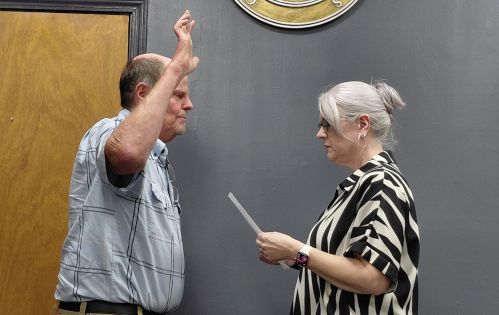
 Photo courtesy of KATV-TV - Little Rock, AR.
State Senator Bryan King has sent a formal letter to Governor Sarah Sanders calling for the immediate sale of land previously purchased for a proposed prison in Franklin County. The state acquired the 815-acre property for nearly $3 million in 2024, but the project has since stalled.
The planned 3,000-bed "megaprison" faced significant backlash from local residents and severe budget issues. Initial cost estimates of $400 million quickly ballooned to $825 million, with critics warning the final price could exceed $1 billion. After the legislature blocked funding for the site in 2026, King argued that the project is no longer viable. He suggested that the state should instead focus on expanding smaller facilities closer to the communities where crimes are committed, specifically mentioning Northwest Arkansas.
Beyond the land sale, Senator King is demanding accountability for the state's prison medical services contract with Wellpath. He highlighted a suspicious bidding process where an initial $1.25 billion contract was canceled and renegotiated, resulting in a final price of $1.6 billion - an increase of $350 million. King noted that Joe Profiri, the former Secretary of Corrections who oversaw this process, was fired in early 2024 but subsequently hired as a senior advisor to the Governor.
Finally, King questioned the state's reliance on expensive out-of-state consultants. He specifically criticized the $300,000 payment to Virginia-based firm Guidehouse, arguing that Arkansas should employ experienced internal personnel rather than spending taxpayer money on outside firms. To support his point, he cited a failed $345 million contract with Deloitte that left the state's Medicaid system riddled with errors.
Senator King concluded his letter by warning that the state cannot continue down a "dead-end road" regarding its financial and correctional management.
Share this article...
Copyright ©
North Arkansas Performing Artists Coalition (NAPAC) / The Harrison Post